Research Study

Interactive Technologies Research

Exploring User Experience in Gaming, AR/VR, and Wearable Fitness Technologies

HCI Research UX Analysis Technology Review User Studies
Research Details

Research Type

Literature Review & Analysis

Focus Areas

Gaming, AR/VR, Wearables

Methodology

Comparative Study, User Research Analysis

Key Themes

UX, HCI, User Acceptance

Abstract

This study explores various interactive technologies, including handheld gaming devices, AR/VR systems, and wearable fitness technologies. It focuses on user experience (UX) and human-computer interaction (HCI), examining the current state, future potential, and limitations of each technology.

Research Objectives

🎮

Gaming Interfaces

Comparing touchscreen vs traditional controller experiences

🥽

AR/VR Evolution

Analyzing the progression and adoption of immersive tech

Wearable Acceptance

Understanding user factors in fitness device adoption

Introduction

Interactive technologies have become an integral part of modern life, enhancing user experiences in gaming, fitness, and augmented reality (AR)/virtual reality (VR). This case study investigates the differences in user interactions with touchscreens versus traditional controllers in gaming, the evolution of AR/VR technologies, and the user acceptance of wearable fitness devices.

🎮

Gaming Input Methods

Evolution of control interfaces and user interaction paradigms

🥽

Immersive Experiences

AR/VR technology advancement and market adoption

Health Monitoring

Wearable devices and personal fitness tracking

Touchscreens vs Traditional Controllers in Gaming

📱

Research Study

Zaman, Natapov, and Teather (2010)

A comparative study examined handheld gaming on touchscreen devices versus traditional physical controllers. The game used for testing was "Assassin's Creed: Altair's Chronicles," played on both an Apple iPhone 3G and a Nintendo DS Lite.

Study Methodology

Device A: Apple iPhone 3G
  • • Touchscreen interface
  • • Virtual on-screen controls
  • • Finger-based interaction
Device B: Nintendo DS Lite
  • • Physical button controls
  • • D-pad and action buttons
  • • Tactile feedback

Key Findings

📱

Touchscreen Challenges

  • Flexibility vs. Precision

    Touchscreens offer flexibility but lack precision due to ambiguity of touch points

  • Visibility Issues

    Finger-based interactions obscure part of the display during gameplay

  • Performance Gap

    Character deaths were 150% higher on iPhone vs DS

  • Learning Curve

    Despite improvement over time, touchscreen performance remained inferior

🎮

Physical Controller Benefits

  • Tactile Feedback

    Physical buttons provide immediate haptic response for actions

  • Precision Control

    Superior accuracy for character movement and actions

  • Unobstructed View

    Clear display visibility without finger interference

  • Muscle Memory

    Consistent button placement aids skill development

Performance Comparison

150%

Higher Character Deaths

on iPhone vs DS

Lower Precision

with touchscreen controls

Improved Over Time

but gap remained significant

Industry Solutions

Modern gaming companies have developed innovative solutions to address the limitations identified in the research study, offering enhanced control and improved user experiences:

🎮

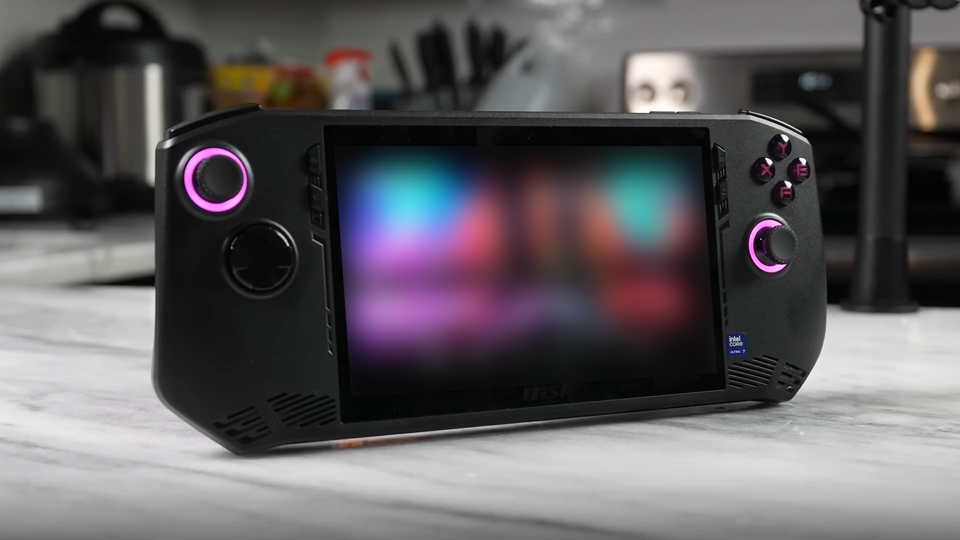
ROG Ally

ASUS ROG Ally gaming device

A handheld gaming device with built-in physical controls and robust hardware, combining portability with traditional gaming precision.

Key Features:
  • • Integrated physical buttons and joysticks
  • • High-performance gaming hardware
  • • Ergonomic handheld design
  • • Full game compatibility

Credit: "MSI Claw Takes On Asus Rog Ally..." by Booredatwork.com (via Wikimedia Commons). Licensed under CC BY 3.0.

📱

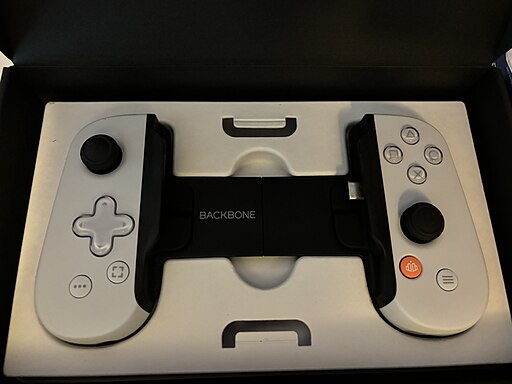
Backbone Controller

Backbone mobile game controller

An external controller attachment for smartphones that transforms mobile gaming by adding physical controls without sacrificing portability.

Key Features:
  • • Snap-on design for smartphones
  • • Console-quality controls
  • • Low latency connection
  • • Enhanced mobile gaming experience

Reference: "Backbone One (2nd Generation)" by Radom1967 / Wikimedia Commons. Licensed under CC BY-SA 4.0

Impact on User Experience

These solutions successfully address the precision, visibility, and performance issues identified in the original research study. By combining mobile convenience with physical control advantages, modern gaming devices offer the best of both worlds for handheld gaming experiences.

AR/VR Technology Usage & Evolution

👓

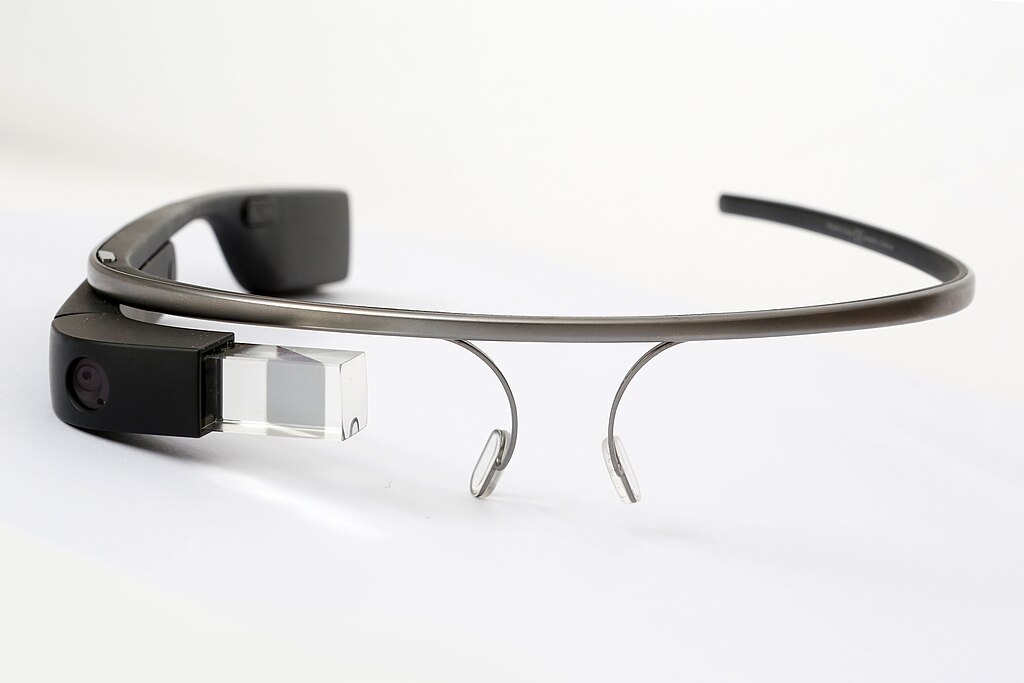
Google Glass: An Early Attempt

Launched 2013 - Discontinued 2023

Launched in 2013, Google Glass was an early attempt at integrating augmented reality into everyday life. However, it faced significant challenges that limited its widespread adoption.

Google Glass AR wearable device

Reference: "Google Glass Front" by Tim.Reckmann / Wikimedia Commons. Licensed under CC BY-SA 3.0

🔒

Privacy Concerns

Recording capabilities raised significant privacy and social acceptance issues

💰

High Cost

Premium pricing at $1,500 limited market accessibility and adoption

Unclear Use Cases

Lack of compelling everyday applications for consumers

Outcome: Limited adoption and eventual discontinuation in 2023, serving as an important lesson in AR technology development and user acceptance.

Current AR/VR Technologies

🥽

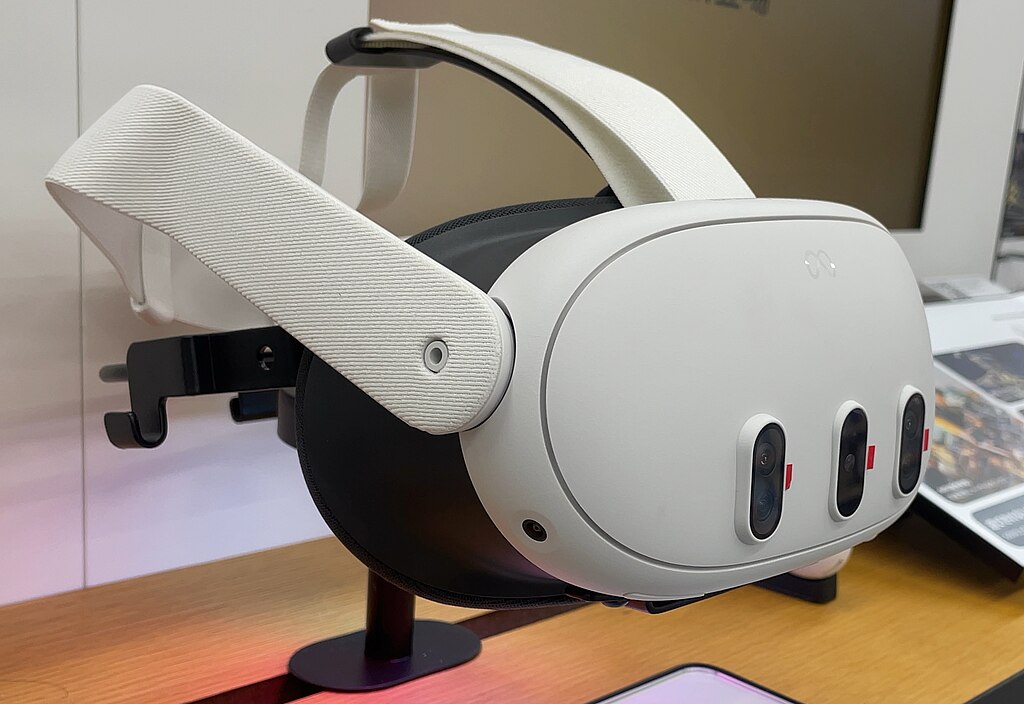
Meta Quest Series

Accessible VR for Everyone

Meta Quest 3 VR headset

Reference: "Meta Quest 3 - 5" by Kyu3a / Wikimedia Commons. Licensed under CC BY-SA 4.0

  • Affordable pricing for home use
  • Extensive content library
  • Standalone wireless operation
  • Social VR experiences

Market Position: Leading consumer VR platform with millions of active users

🎮

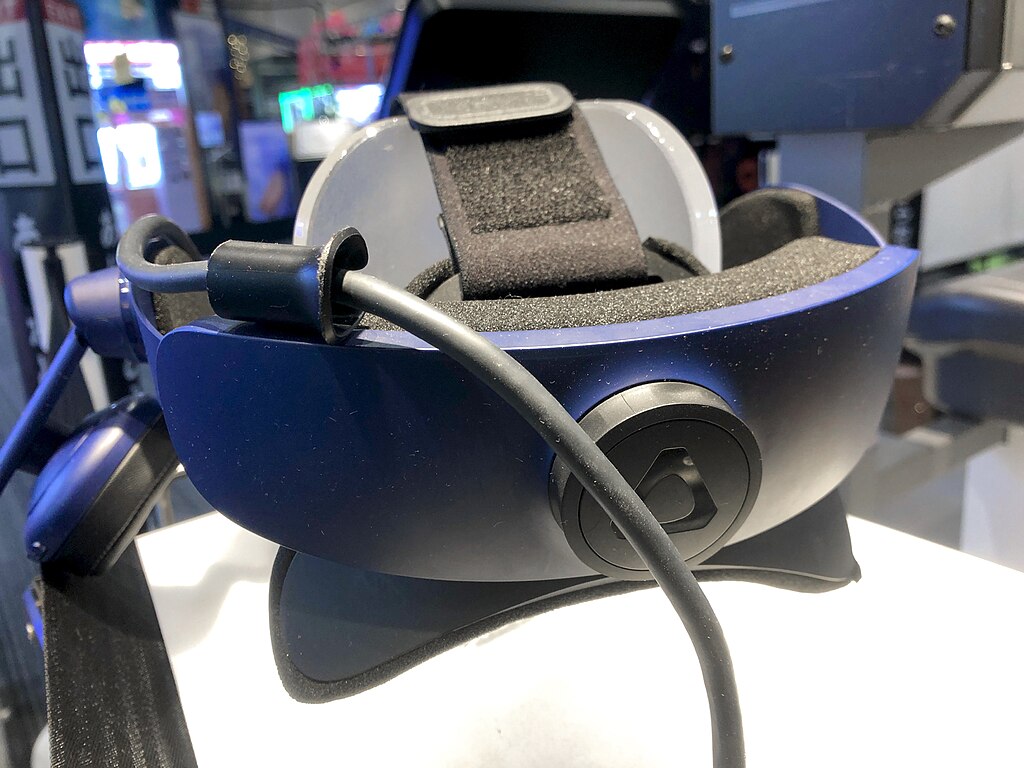
HTC VIVE Pro

Professional-Grade VR

HTC VIVE Pro VR headset

Reference: "HTC Vive Pro - 4.jpg" by KKPCW / Wikimedia Commons. Licensed under CC BY-SA 4.0

  • High-resolution displays
  • Precise room-scale tracking
  • Enterprise applications
  • Advanced controller options

Target Market: Professional users and enterprise applications

🍎

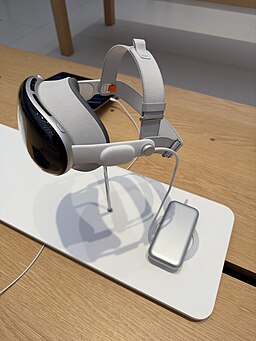
Apple Vision Pro

Spatial Computing Pioneer

Apple Vision Pro headset

Reference: "Apple Vision Pro on display.jpg" by Seasider53 / Wikimedia Commons. Licensed under CC BY 4.0

  • Advanced hand gesture tracking
  • Eye tracking technology
  • Mixed reality experiences
  • ! Premium pricing ($3,499+)

Innovation: Redefining spatial computing with cutting-edge technology

✈️

Digital Travel: COVID-19

A new era of virtual experiences

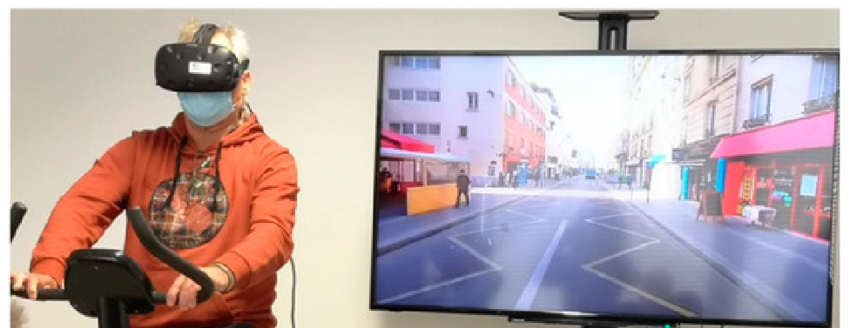
The COVID-19 pandemic accelerated interest in digital travel experiences, with AR/VR platforms like Apple Vision Pro providing immersive virtual travel experiences. This trend highlights the evolving ways people engage with AR/VR technologies beyond gaming and entertainment.

Virtual reality tourism and travel experience

Reference: "Figure 7. Cycling through 360° VR tourism [35]" from ResearchGate / licensed under CC BY 4.0

🌍

Virtual Destinations

Explore iconic locations and landmarks from home through immersive 360° experiences

🏛️

Cultural Experiences

Visit museums, historical sites, and cultural events in virtual reality

🎬

Immersive Content

High-quality video and interactive elements create compelling virtual journeys

Impact: The pandemic-driven adoption of virtual travel has created lasting interest in AR/VR experiences, demonstrating the technology's potential beyond traditional entertainment applications.

Wearable Fitness Technologies

Research Study: User Acceptance Factors

Michaelis et al. (2016)

A comprehensive 2016 study analyzed user reviews of wearable fitness devices to identify factors influencing acceptance and rejection. The research examined multiple popular devices to understand what drives user satisfaction and dissatisfaction.

Devices Analyzed in Study

Fitbit Models

Microsoft Band

Basis Peak

Jawbone Up

Garmin Vivosmart HR

Key Findings

Positive Acceptance Themes

  • Accurate Sleep Tracking

    Users highly valued detailed and reliable sleep pattern analysis

  • Motivational Impact

    Devices successfully encouraged increased physical activity and healthier habits

  • Data Accuracy

    Precise step counting and activity tracking built user trust

⚠️

Negative Rejection Themes

  • Syncing Issues

    Frequent connection problems frustrated users and disrupted data flow

  • Device Fragility

    Build quality concerns and durability issues led to device failure

  • Unreliable Heart Rate Data

    Inconsistent heart rate monitoring reduced device credibility

  • Physical Discomfort

    Poor fit and uncomfortable materials discouraged continuous wear

  • Insecure Fit

    Devices frequently fell off during activities or sleep

💡

Usability Impact on Acceptance

Products with significant usability issues suffered from poor user acceptance, directly impacting brand reputation and long-term user retention. The study demonstrates that technical features alone are insufficient—devices must provide reliable, comfortable, and hassle-free user experiences to succeed in the market.

Recent Developments in Wearable Fitness

💍

Oura Ring Gen3

Comprehensive Health Tracking Ring

Oura Ring Gen3

Reference: Oura smart ring photo by Jerry Kavan on Unsplash.

  • Advanced sleep tracking
  • 24/7 heart rate monitoring
  • Body temperature sensing
  • Discreet ring form factor
  • ! Requires subscription service

Innovation: Combines comprehensive tracking in a minimal, jewelry-like design

💪

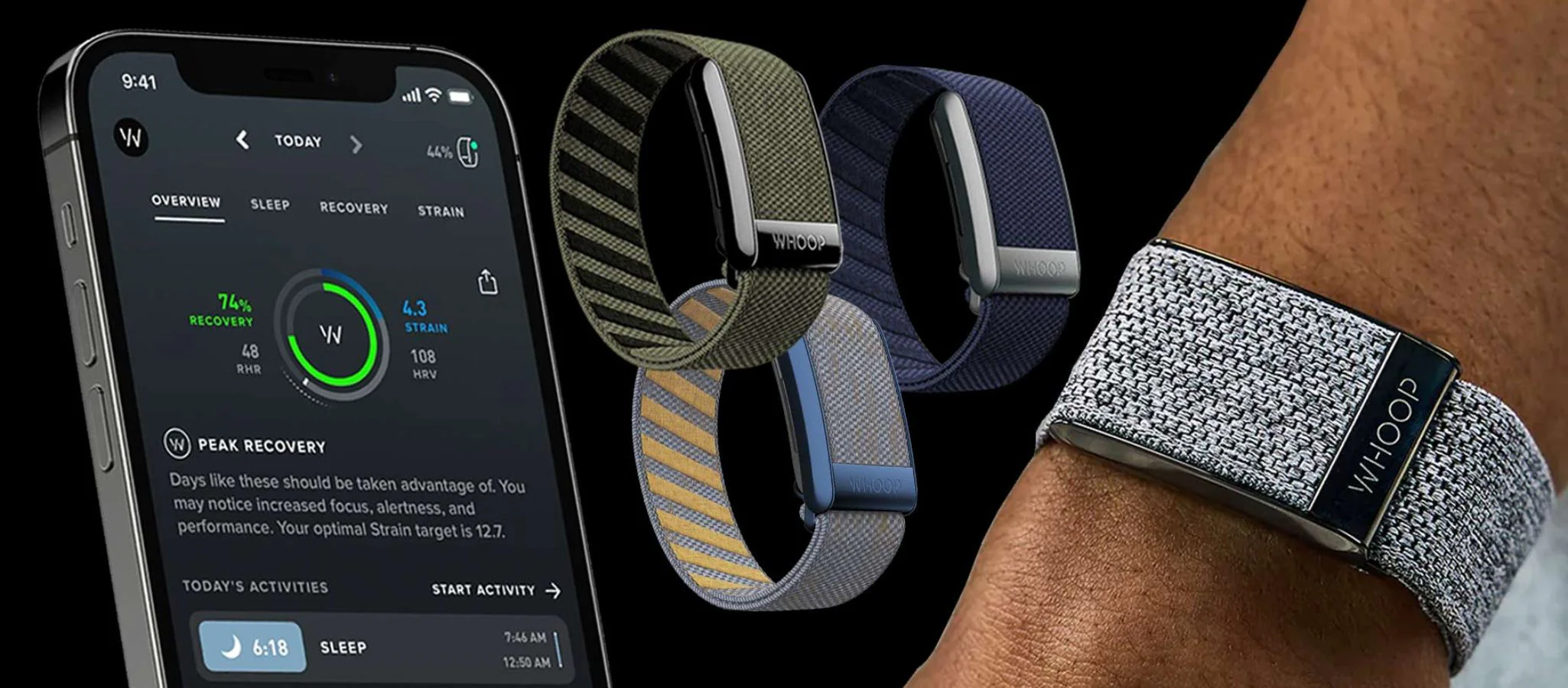
WHOOP 4.0

Performance Optimization Band

WHOOP 4.0 fitness band

Reference: Image of WHOOP Band and App Interface from "Horse Riding Recovery: Tools by American Stalls" on the American Stalls website (https://americanstalls.com/blogs/blog/4-tools-to-optimize-your-performance-recovery?srsltid=AfmBOor4sr-7Qmn538x4fSqCgM7emtCP8_d4YHT74bGL1jVPqQnPwulJ)

  • Strain and recovery metrics
  • Sleep performance tracking
  • Health monitoring features
  • Athletic performance insights
  • ! Subscription-based model

Target: Serious athletes and fitness enthusiasts focused on optimization

Device Performance Comparison

📍
GPS Tracking

Leader: Garmin Forerunner 255

Excels in GPS accuracy for outdoor activities and route tracking with advanced satellite connectivity

😴
Sleep Tracking

Leader: Apple Watch Ultra

Comprehensive sleep stage analysis, though limited by battery life requiring frequent charging

🔋
Battery Life

Challenge: Smartwatches

Most smartwatches require daily charging, while specialized fitness bands can last 5-7 days

Market Trend: Modern wearables are moving toward specialized functions (rings for sleep, bands for athletics) while smartwatches attempt to be all-in-one solutions, each with distinct trade-offs in battery life, comfort, and feature depth.

Conclusion

Each interactive technology presents unique UX and HCI challenges that must be carefully addressed to ensure user acceptance and long-term success. Through comprehensive research and analysis, clear patterns emerge regarding what drives adoption and what causes rejection.

🎮

Gaming Interfaces

Handheld gaming devices have evolved significantly to address control precision issues. Modern solutions like ROG Ally and Backbone successfully combine mobile convenience with traditional controller accuracy, offering users the best of both worlds.

🥽

AR/VR Technologies

AR/VR continues to innovate, offering increasingly immersive experiences. While cost barriers remain (particularly with premium devices like Apple Vision Pro), more affordable options like Meta Quest are driving mainstream adoption and expanding use cases beyond gaming.

Wearable Fitness

Wearable fitness technologies must carefully balance functionality with usability. Success requires accurate data, comfortable design, reliable syncing, and durable construction—technical features alone are insufficient without excellent user experience.

Future Implications for Designers

1

Prioritize User-Centered Design

Technical innovation must be balanced with genuine user needs and pain points

2

Address Physical Comfort

Wearable devices require ergonomic design and comfortable materials for continuous use

3

Ensure Reliability

Consistent performance, accurate data, and stable connections are non-negotiable

4

Consider Accessibility

Price points, ease of use, and inclusive design determine market reach

By understanding and addressing these fundamental UX and HCI challenges, designers can create more effective, engaging, and successful user experiences across all interactive technology platforms.